How do you take care of a Philodendron Squamiferum?
Learn how to care for your Philodendron Squamiferum, from light and watering to humidity, propagation, and common pest problems in this complete care guide.

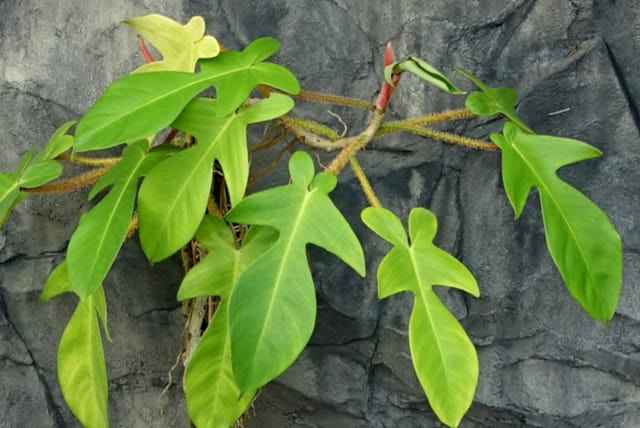
The Philodendron Squamiferum, which you may also know as the "Red Bristle Philodendron" is a unique-looking tropical plant. Its stem is covered with fuzzy red bristles (trichomes) and it has very large, unusually shaped leaves that can grow up to 14 inches long. Those bristles aren't just there for the good looks though, they help to protect the plant in the wild.
This plant is native to the tropical rainforests of Brazil, where it grows as a climber, climbing up tree trunks and living under a dense, filtered canopy, much like a Monstera. It's important to remember where this plant is from, because it gives us clues on how to take care of it: it likes a warm, humid, bright-but-shaded, and never soggy growing environment.
Here's everything you need to keep yours happy:
Let's look at each part of its care now.
Light
Bright, indirect light is perfect for this plant. Think of a spot within 3–5 feet of a window with filtered light. Direct sun can scorch the leaves, but a little morning or late-afternoon sun is fine.
It can tolerate lower light, but it will grow slower with less light. If you don't have a lot of natural light, a grow light for about 12 hours a day makes a good substitute.
If you want, you can rotate the plant a quarter turn every few weeks to give all sides equal light, but I personally don't do this with my plants any more. There is always a clear "front" and "back" with these climbing plants, so rotating them is optional.
Water
Let the top inch of soil dry out before watering again, then water thoroughly until it runs from the drainage holes. This mimics the well-draining conditions the plant is used to in the wild and helps avoid root rot.
Filtered or distilled water is ideal, but if you can safely drink your tab water, your plant will be fine with this water as well. If your tab water does have higher levels of chlorine in it, you can also just let tap water sit out for 24 hours before using it.
Signs of overwatering: yellowing or browning leaves, mushy texture, a musty smell from the soil (a sign of root rot).
Signs of underwatering: wilting or curling leaves, and leaves that turn dry, crispy, and brittle.
Humidity
This plant likes it humid, so aim for 60–70%. Too dry, and you'll see crispy leaf edges and its growth will almost stop completely.
Misting gives a quick, short-lived boost, but it's not enough on its own. For something more consistent, try a humidifier, a pebble tray with water, or grouping it with other plants. This last one is what I do with my plants. Just put a few together and they'll keep each other in a more humid environment.
Soil
Use a well-draining mix rich in organic matter. A tropical plant blend, or a DIY mix of peat moss, perlite, and vermiculite, both work well. Avoid dense, moisture-retentive soils, which will make it very easy for root rot to happen.
Fertilizing
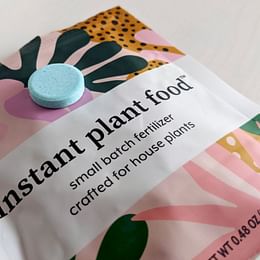
Feed it every 2–4 weeks during the growing season (spring and summer), and slow it down to once every 6–8 weeks in fall when the plant is more dormant.
A balanced liquid houseplant fertilizer (NPK around 10-10-10 or 20-20-20) works well, but make sure to follow the label's instructions. Homemade options like diluted compost tea, banana peels, or fish emulsion are also fine, as long as they're properly diluted first.
Moss Poles & Growing in Water
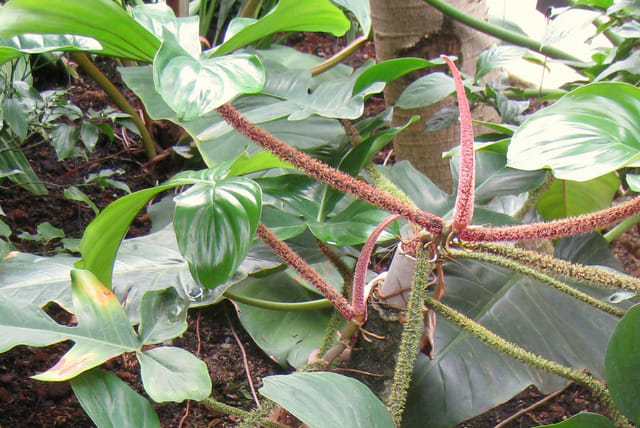
This is a natural climber, so a moss pole gives it something to grip as it grows, much like the tree trunks it would climb in the wild. You can start using the pole while the plant is still small, and gently tie stems to it as needed to guide growth.
Growing in water works fine, but not for long term growth. For example, while rooting a cutting. Submerged roots can become waterlogged and starved of oxygen, and water alone doesn't provide the nutrients the plant needs. Once roots form, transfer the cutting to soil.
Pruning
Early spring, just before the growing season kicks in, is the best time to prune. This gives the plant time to bounce back and push out new growth.
You don't need much: sharp pruning shears, gloves, and a cloth for wiping the blades between cuts. Sterilize your shears with rubbing alcohol or a diluted bleach solution before and after use to avoid spreading disease.
Propagation
There are three good methods to grow your collection with propagation:
- Stem cuttings: Cut a stem section with at least two nodes, strip the lower leaves, and place it in water or moist, well-draining soil. Keep it in indirect light. Roots typically form within a few weeks.
- Air layering: Great for tall or leggy plants. Nick the stem where you want new roots, apply rooting hormone, wrap it in moist sphagnum moss, and secure with plastic wrap. Once roots form (a few weeks), cut below the moss and pot it up.
- Division: If your plant has multiple stems or clumps, separate them at the roots during repotting and plant each section individually.
Thank you for reading this post! I hope it helps you to keep your plants healthy and beautiful! If you're looking for more guides on specific plants, you can always request a plant guide to get a guide for the plant you have trouble with.