Can Monstera live outside? (and can it take full sun?)
Curious if your monstera can live outside or handle full sun? Discover how to safely move your monstera outdoors, what light it really needs, and tips from real experience to help your plant thrive.

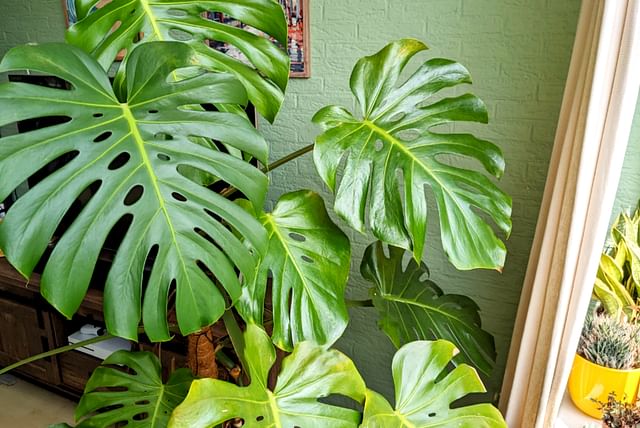
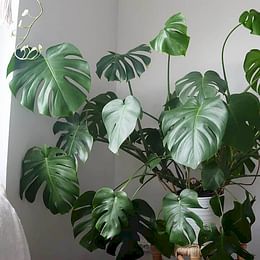
As a Monstera parent, I have no doubt that you've wondered if you can bring your plant outdoors. Because all plants naturally grow outside, so it must be where they thrive! But is that right? Can your Monstera handle the wild outdoors? I mean, it's called a houseplant for a reason: It's supposed to grow in your house.
So in this plant care guide, we're going to discover if your Monstera really can live outside or whether it should stay inside.
Can monstera live outside?
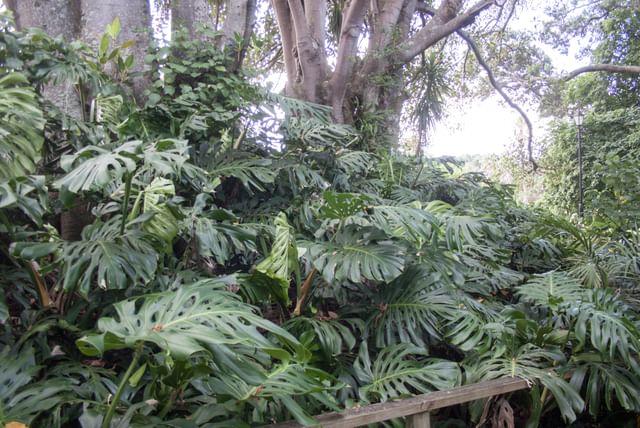
The short answer is yes, monsteras can live outside, but only if you give them the right conditions. Monsteras are tropical plants, so if you live in a cold place, you'll want to keep your Monstera indoors.
In their native environments, they grow in warm, humid jungles, and grow against tall trees block most of the direct sunlight. If you live somewhere with a climate that stays warm and humid most of the year, like parts of Florida, southern Texas, or coastal California, your monstera will love growing outside all year round. (You're very luckily!!)
But what if your climate is less than tropical? Don't worry, your monstera can still grow outside during the warmer months of the year.
Many plant parents move their monsteras outside for the summer months, letting them soak up the gentle warmth and fresh breezes. The key is to bring them back inside before the nights get chilly. Monsteras start to struggle when temperatures dip below 10°C (50°F).
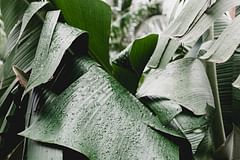
Just like you'd want a bit of shelter on a windy or stormy day, your monstera will appreciate a spot that's protected from harsh winds and pounding rain. Those iconic leaves can be easily damaged by rough weather.
My experience: Monstera on the move
This year, I actually had to keep my monstera outdoors all summer, not because I planned it, but because I'd just moved into a new house and simply didn't have the space indoors.
At first, I was a bit nervous about how it would handle the change. But to my surprise, it grew better than it ever had inside!
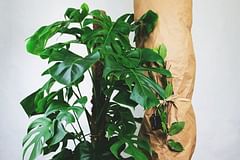
It enjoyed the occasional rain shower, plenty of warm, fresh air, and a bit of sun for part of the day. Watching it thrive outdoors made me realize just how much monsteras can benefit from a little time in nature, as long as you pay attention to their needs.
That experience is exactly why I've written this guide, because for many years, I've underestimated how much many of your houseplants can benefit from growing outside in the summer.
Can monstera take full sun?
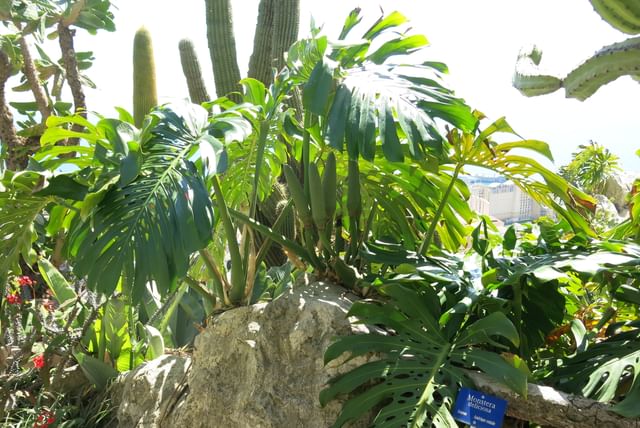
Here's where things get interesting. While the idea of your monstera sunbathing might sound nice to you, Monsteras don't actually like that much sunlight. Remember how they grow against tall trees that block most of that intense tropical sunlight? Monsteras are used to the shade.
If you put your monstera in full, unfiltered sun, especially during the middle of the day, you'll start to see their leaves getting sunburns. Sunburns on your monstera look like yellow or brown patches, or even scorched and crispy edges.
The best spot for your monstera is somewhere with bright, indirect light, like beneath a tree, on a shaded patio, or in a place that gets direct sunlight in the morning is shaded in the afternoon. If you're unsure, you can either use a light meter or perform the squint test: if you'd squint in that spot, your monstera wouldn't like that spot in the afternoon.
Full sun in the morning and evening are completely fine though, because this sunlight is not as intense as the sunlight in the afternoon.
Tips for moving your monstera outside
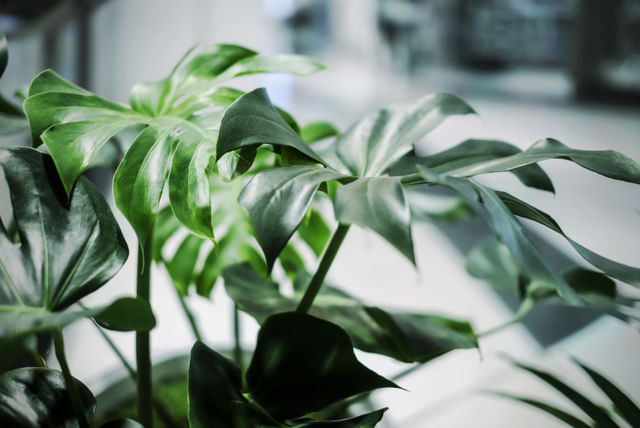
If you're ready to move your Monstera outside, you should do so gradually. Remember, no plants like sudden change. Sudden change can stress your plant and could lead to more serious problems.
Start by placing your plant outside for just a few hours each day, always in the shade, and gradually increase its time outdoors over a week or two.
This gives your monstera time to adjust to new light levels, breezes, and even the occasional curious insect. Keep an eye on the weather, especially if the nights are still cool or there's a storm on the horizon. Monstera is protected from the toughest weather in its natural habitat, so you should try to do the same.
Monsteras don't like surprises, and a sudden drop in temperature or a heavy rainstorm can be hard on them.
Watering
One very important part of moving plants outside is checking their soil every 1-2 days. Plants that grow outside use a lot more water than plants that grow indoors. The moisture evaporates from the soil quite quickly, specially if it's warm and there is a breeze.
On the other hand, there is rain. So you'll want to make sure that your plant is either protected from the rain, or you make sure the rain can drain from the pot. If your pot doesn't have drainage holes, you'll want to carefully tip over the pot to let the excess water escape. This will prevent root rot.
Bugs
Because outdoor life brings your plant closer to bugs, it's a good idea to inspect its leaves regularly for any signs of pests.
Signs your monstera is getting too much sun
Your monstera will let you know if it's had enough sun. If you notice the leaves turning yellow, fading, or developing crispy brown edges, especially on the side facing the sun, it's a clear signal that your plant needs more shade.
Sometimes, the leaves might even droop or wilt during the hottest part of the day. If you spot these signs, don't panic, just move your monstera to a shadier, more sheltered spot, and it should recover quickly.
You'll be surprised how quickly your plants can grow when they're growing in a spot they like outdoors.
Conclusion
Letting your monstera spend time outdoors is scary at first, but so worth it, both for you and your plant. With a bit of planning and care, you can help your Monstera thrive, just as it would in its natural habitat in the jungle.
My own monstera definitely surprised me with how well it adapted, and even thrived, outside. Remember: monsteras love the fresh air but need to be protected from the intense sunlight and pouring rain.
Once the temperatures at night start to drop below 10°C (50°F), make sure to move it back indoors.
Thank you for reading this post! I hope it helps you to keep your plants healthy and beautiful! If you're looking for more guides on specific plants, you can always request a plant guide to get a guide for the plant you have trouble with.